Posted by HearingAids on November 11, 2011 under Hearing Aids |
There is an issue around the world that annoys many individuals who are wearing hearing aids, they can’t swim with them. Taking a hearing aid into the water spells trouble. Imagine the thought of ruining your hearing aid simply because you forgot to take it off.
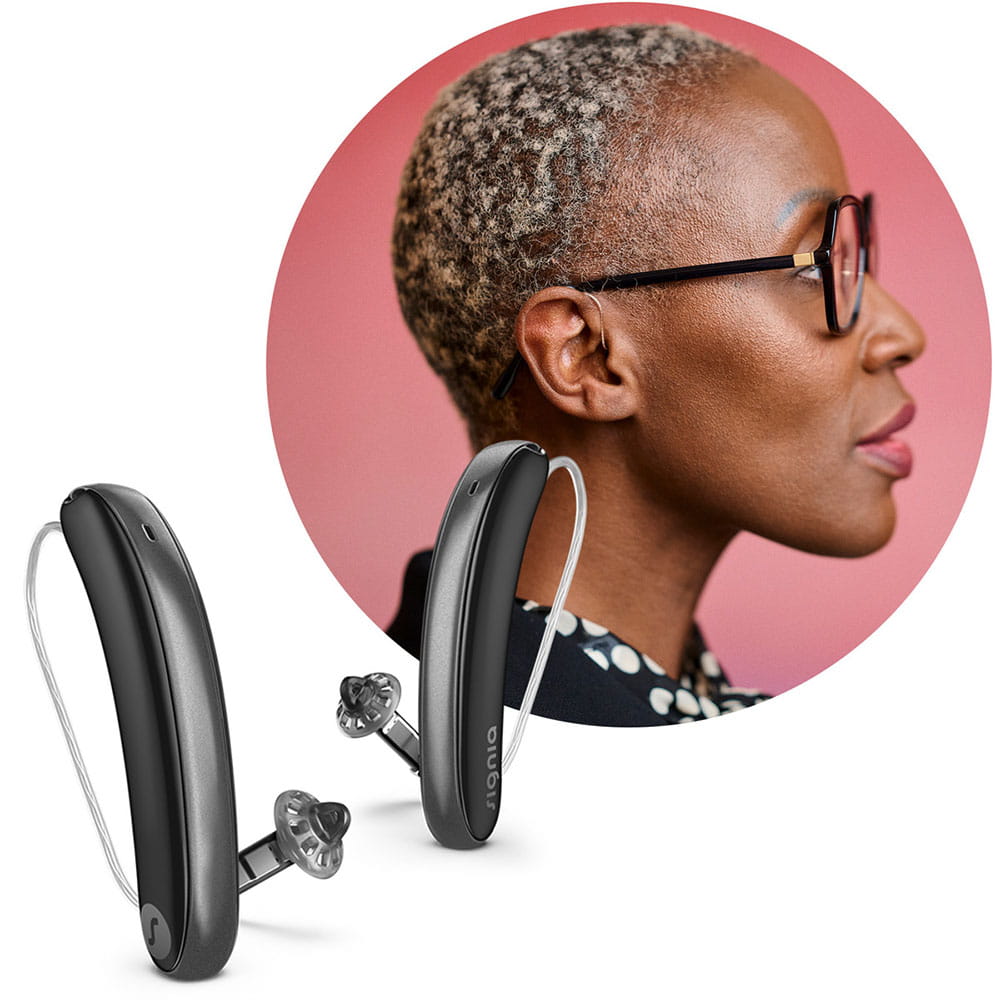
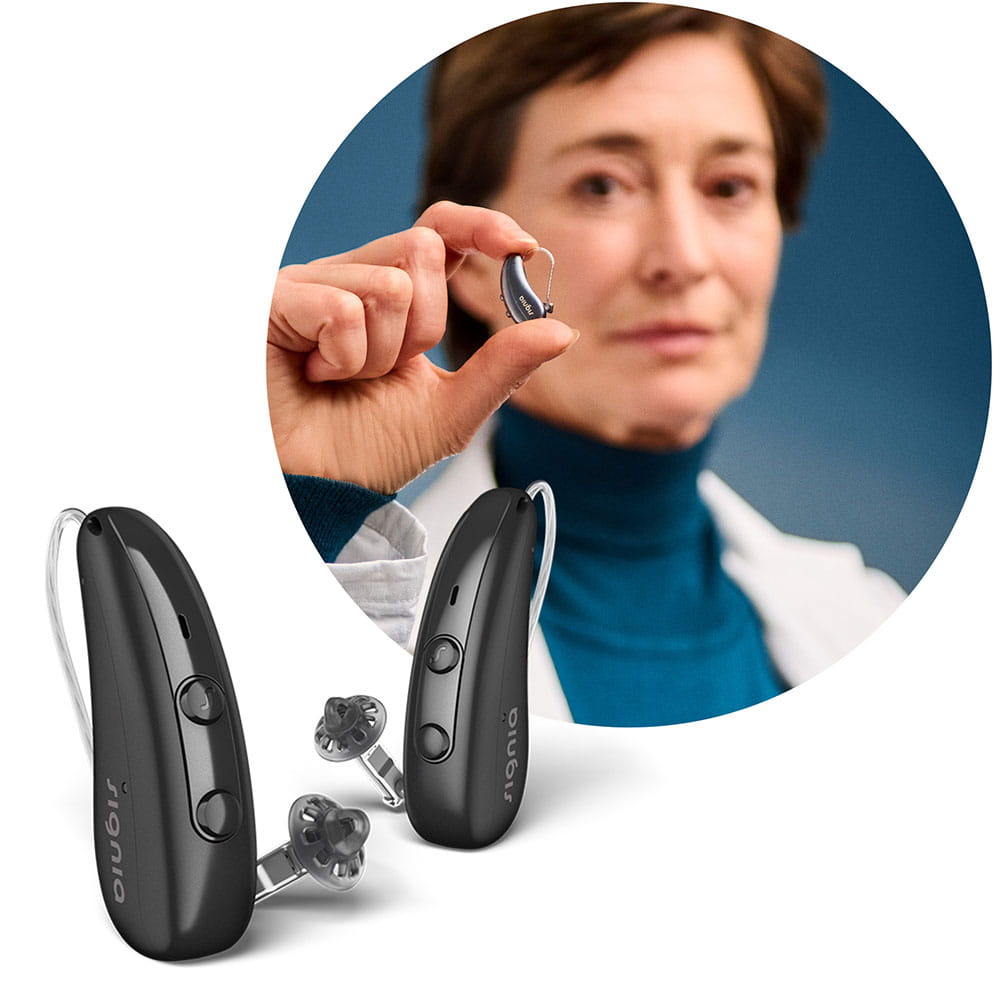
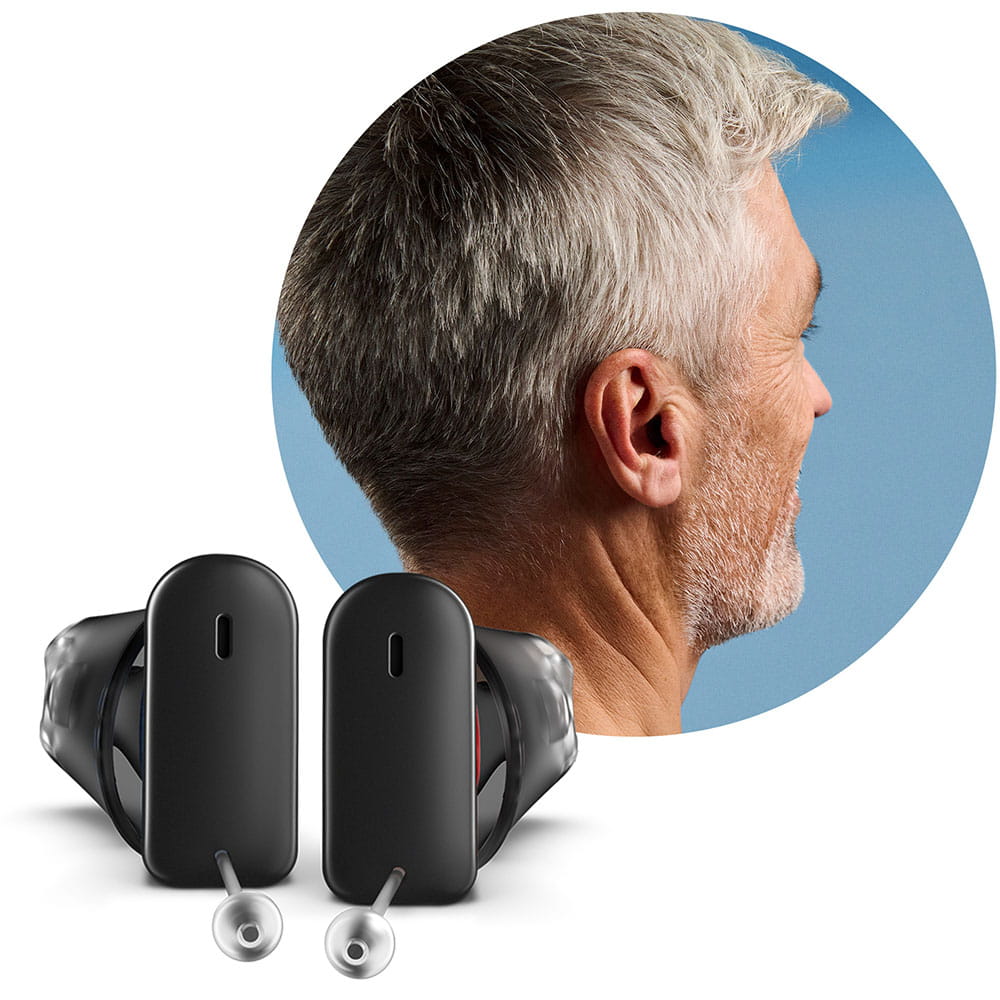
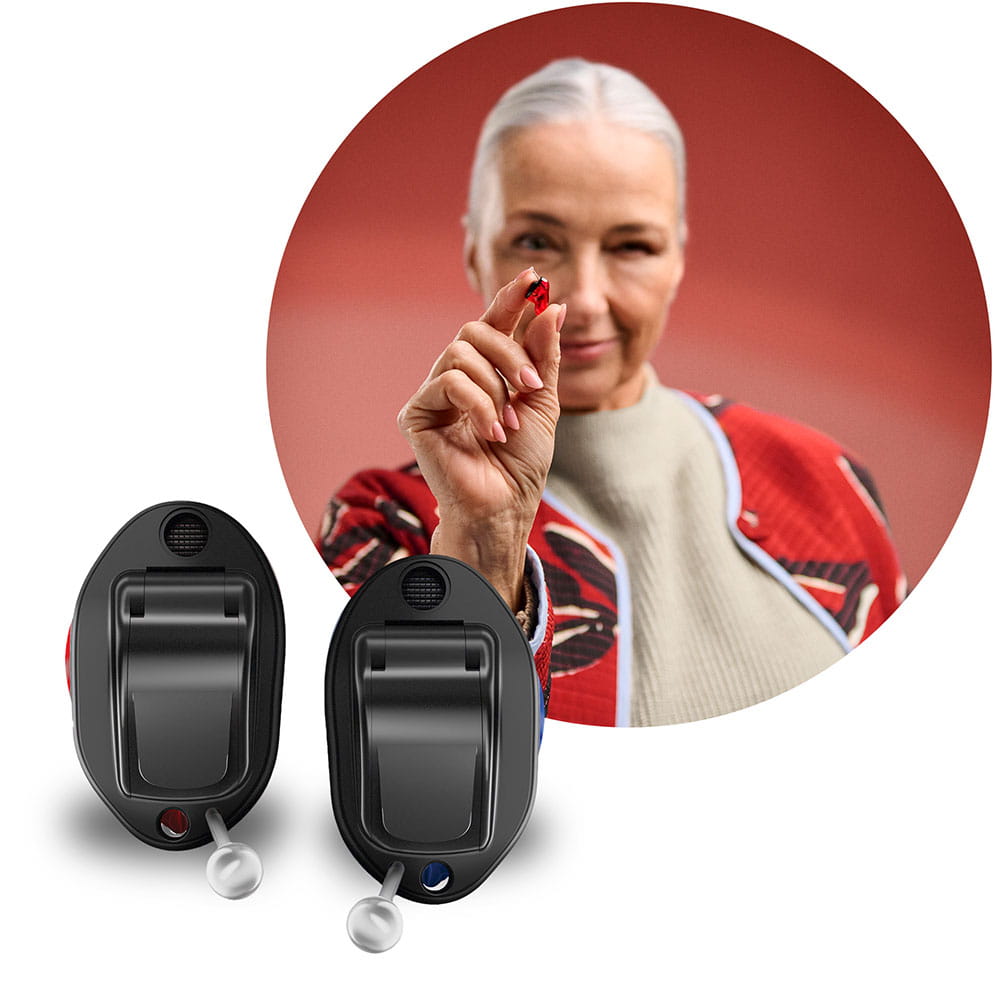
There is good news out there. This issue has been resolved! Siemens, maker of several types of hearing aids, decided to step up to the plate and create the Aquaris waterproof hearing aid.
This is a new way at using hearing aids because, it is waterproof. We are talking about jumping into a swimming pool, swimming for hours then getting out without ever having to worry about if you removed your hearing aid. This is a great achievement in the hearing world.
The Aquaris is not affected by water, dust or shock. It is built with a very tough exterior, cutting-edge advancements and it is truly the first waterproof hearing aid on the market. It is IP57 certified, which means the device is water (one meter depth for thirty minutes), snow and sand resistant.
The design is also made with a custom soft ear mold designed to keep it comfortable while you are swimming.
That’s not all this machine can do. Many patients have reported that is not the fact that they can swim or get it wet that is appealing about the product – its more that if they are active, sweating is not an issue. I know its not as glamorous, but consider that most have to take their hearing aid out when they sweat – not an ideal situation.
Since it is sweat proof, going walking, biking, exercising and more is less of a hassle. You do not have to sit and worry if your hearing aid is getting ruined from the workout nor do you have to worry about yourself getting lost because you had to remove your hearing aid. Both issues are resolved using the Aqauris.
Finally, the Aquaris also offers the innovative Best Sound Technology for excellent clarity and can connect seamlessly to Tek and miniTek wireless enhancement systems.
For more information on Siemens’ Aquaris, visit their homepage: http://hearing.siemens.com
Posted by HearingAids on October 31, 2011 under Hearing Loss |
Ever wonder what exactly makes your ears hear the sounds around you? There is a simple answer to that question and it is hair. There are tiny hairs that are inside your ear. These hairs pick up the sound waves around you, changing them into signals that are sent through your nerves to relay the data to your brain, allowing it to interpret the sound.
Losing these hairs means losing your hearing. When these hair cells get damaged and are unable to re-grow due to age or other issues, your hearing loss can become permanent.
There are other reasons that hearing loss can occur. It is not just the concerts, not just the damaging of the hair, but health reasons. These health reasons can actually be large factors in hearing loss.
Back in 2001 the Population Health program faculty at Wisconsin University produced a study called “The Association between cardiovascular disease and cochlear function in older adults.” In this study they found that individuals who exercised at least once a week saw a 32 percent reduction in the risk of suffering from hearing loss compared to those who did not exercise.
In creating this study Wisconsin University discovered that hearing loss was appearing in nearly 80% of those who may have suffered from a heart attack.
But that is not the only reason people have hearing loss. Other reasons include your family history, repeated exposure to loud noises (i.e. stock car racing, concerts and construction equipment) and smoking.
Since hearing loss can be related to health issues, it’s important to know these health issues and be prepared for them. Health related hearing loss issues include:
Blood
- Slow or poor blood flow to the ear
- High blood pressure
- Those with Sickle Cell Disease could also experience sensorineural hearing loss or deafness but in most cases hearing has returned.
Diabetes
- Recently the National Institutes of Health funded a study where it was discovered that hearing loss is nearly two times as common in the adults tested with diabetes than those who do not have it.
- Screenings for diabetes typically do not include hearing tests. If you have diabetes you should have your audiologist do a screening to see if you are having any kind of hearing loss.
- According to the study, the reason that hearing loss can occur with diabetes is found by the damaging of the nerves and blood vessels of the inner ear.
Meningitis
- It has been found that bacterial or fungal meningitis attacks, covering the brain and spinal cord, have caused high loss of hearing. It’s recommended you get tested once you’ve entered into the recovery period.
Ototoxic Drugs
- Any ototoxic drug has the potential of causing temporary or permanent hearing loss in individuals.
- There are approximately 200 or more over the counter drugs that are ototoxic. Check with your doctor if you are taking any of these and seem to be experiencing hearing loss.
Dementia and Alzheimer’s Disease
- Evidence of this link comes from many sources, including a recent study that was published in the Archives of Neurology. This study showed that older adults who are developing dementia with some form of hearing loss, actually have the chance of the hearing loss to become more severe as they go along.
- According to this study, for every 10 decibels of hearing loss, the extra risk of developing Alzheimer’s increased by nearly 20%.
Arthritis
- Arthritis and vasculitis are associated with some hearing loss. Conditions include rheumatoid, lupus erythematous and many others.
Kidney Disease
- The inner ear and the kidney are both very similar. Both can be irritated by some medications.
- In some cases, if something is bothering the kidneys it can also bother the ear at the same time, causing some hearing loss
Cancer
- Cancer in the ear or head will cause hearing loss
- Chemotherapy and radiation could also cause hearing loss. If you are receiving or planning to receive chemo, check with your audiologist before, during and after your treatment.
Tinnitus
- You will commonly hear a ringing noise with Tinnitus. This is one of the few that can be treated.
Meniere’s Disease
- Meniere’s disease is a disorder of the inner ear. The cause is still unknown. It typically affects individuals between the ages of 20 and 50 years old. One of the most common side effects is dizziness, resulting from the inner ear. Usually only one ear is involved, but in some cases both ears could be effected. If you are experiencing this, it is highly recommended that you visit a physician for a balance test known as videonystagmograph.
In all cases, contact your local audiologist to get your hearing tested.
Sources: Better Hearing Institute, Allegiance Health, betterhearing.org, medlineplus.com and hearflorida.com
Posted by HearingAids on September 19, 2011 under Hearing Aids |
When you wear hearing aids, it is important to keep a daily routine for them to work properly. We have compiled the
best information to help you do just that.
Care and Maintenance for your aid:
- Make sure to store your hearing aid in a safe place that is not only dry but cool
- Check your batteries and change them well before they go dead
- Turn off your aid when you aren’t using it. You may want to remove the battery and clean it’s contact points once in a while to make sure it is connected properly
- Change the filters once in a while so they don’t build up with dirt and clean the aid using the small brush/cloth that came with it
- Talk to a healthcare professional about having the ear wax buildup cleaned out of your ear. This will help improve your hearing by removing wax that can block the canal. Do not attempt to do this yourself as it could result in further damage to your ears
If you follow these simple steps, your hearing aid will last longer and work better for you
However, there are some actions you should not take with a hearing aid, specifically ones that can potentially damage the aid to the point of having to replace it.
- Don’t use your hearing aid in the shower or when you go swimming (except if it is the new Aquaris from Siemens). Water will damage the inner workings of a hearing aid
- Don’t use your hearing aid with a hair dryer, hair spray or any other type of spray
- Never use any tools on your aid as it can result in serious or permanent malfunctions to the receiver
If you can’t clean your hearing aid or your hearing aid isn’t working properly, always contact a service professional for advice and repairs.
Doing these simple points once a week can help maintain your hearing aid’s lifespan and keep you hearing well.
Posted by HearingAids on August 23, 2011 under Hearing Loss |

Think about the last time you thought that someone was “selectively” listening to your conversation. A usual thought is that you are being ignored because you’re boring or the person listening to you just doesn’t care. What if you discovered that there is more to selective hearing loss than just “ignoring?”
Selective hearing is common in most people because listening to a conversation requires effort. In some cases individuals are not ignoring you because you are boring them or they just don’t care, they are not able to hear what you’re saying due to circumstances happening around them.
For example, in a loud room, the sound of everyone talking tends to drown out the sound of your own voice traveling to that individual’s ear. When one has hearing loss, this increases the loss of your voice traveling through ones ears.
Not everyone in the world can pay attention 100% of the time, so individuals who do have hearing loss have to literally select when to hear and when not to hear.
Another issue that causes selective hearing is sleepiness. The more tired you are, the harder it is for you to pay attention. It’s not that you don’t care, it’s that your mind isn’t ready to receive the information that is coming in and you tend to shut out that voice by accident.
If you notice that it’s getting harder for you to listen to conversations or pay attention, we recommend you have your hearing tested by a professional.
And remember, your friend more than likely isn’t ignoring you… He just can’t hear past the baby crying and waiter dropping glasses on the floor. Give him the benefit of the doubt, and tell him or her what you said one more time.
Posted by HearingAids on August 6, 2011 under Prevention |
Christopher Spankovich, Au.D., PhD, MPH;Audiology Today, July/August 2011
Submitted by: Joanne Dwyer, Au.D., Sr. Quality Manager

The article looks at how what we consume, through foods and supplements, influences our hearing. It is difficult issue to address since our diet affects so many different systems in the body and is influenced by our own biochemistry, genetics, general health, and lifestyle.
The article primarily focuses on traditional dietary nutrients such as vitamins, minerals, and macronutrients that are essential in our diet. Here is a quick synopsis of how these components may affect hearing and hearing loss susceptibility.
Caloric Intake:
Animal studies have found that the number of calories consumed can influence vulnerability to age-related hearing loss.
Macronutrients:
Protein: The amino acids of proteins have also been linked to the propensity of hearing loss. Methionine, for example, may work as a protective agent against noise and drug induced hearing loss. However, there are negative repercussions of too little or too much protein. An increase in amino acid oxidation from too much protein can adversely affect the kidneys.
Fat: Several studies have linked a low fat diet with better hearing. On the other hand, “good fats” like omega -3 have been connected with lower risk of presbycusis in humans.
Carbohydrates: While there are few studies on how carbohydrates affect hearing, those who have studied it found that higher sugar and carbohydrate intake were associated with increased hearing loss while dietary fiber was associated with reduced risk of hearing loss.
Cholesterol: Dietary cholesterols influence on auditory function has had mixed reviews. Whether or not dietary cholesterol has any positive or negative influence on auditory function is not clear according to the research.
Micronutrients:
Vitamin A: The retinol acid in vitamin A may protect against hearing loss. Beta-carotene may also help ward off acquired hearing loss when combined with vitamin C, E, and magnesium. Lycopene however has shown the strongest relationship with better auditory function.
Vitamin B: There are mixed results in the studies involving B vitamins. Some studies have shown no relationship between hearing loss and B vitamins while others have shown a positive impact i.e. protection against temporary threshold shift and delaying the onset of presbycusis.
Vitamin C: There is evidence that Vitamin C when combined with other antioxidants protects human hearing.

Vitamin D: Studies in the late 1970s demonstrated that vitamin D deficiency negatively influenced auditory function.
Vitamin E: On its own and in combination with other micronutrients,
vitamin E has been shown to protect against acquired forms of hearing loss.
Calcium, Iron, Potassium, and Sodium: Calcium, iron, potassium, and sodium all have had an impact on the function of the auditory system.
Magnesium: Magnesium may protect hearing since it affects neural condition, helps transport ions across cell membranes, and is a vasodilator.
Selenium: Selenium when combined with vitamin C and E has shown protection against ototoxic hearing loss in cancer patients.
Zinc: Zinc deficiency has been associated with hearing loss and zinc supplementation has been suggested for tinnitus mitigation.
Flavonoids:
Flavonoids antioxidant activity has potential health benefits in humans.
Posted by HearingAids on August 4, 2011 under Prevention |
We have all heard the stories; we have all read the articles… Hearing loss is simply an unavoidable thing that happens with the beautiful aging process. However, we’ve done some research to help you keep those ears healthy.
- Remember to lower the volume on your ipod, phone or other media. The louder you make it, the more you add to the vibrations in your inner ear drum. This also applies to the distance between you and speakers at high volumes. While it may be fun to “rock out” in front of a loudspeaker blasting your favorite musical group, it is also severely damaging to your ears. Fun concert that lasts for 2 hours, or great hearing that lasts a lifetime?
- Earplugs. Yes, they really are not the most exciting thing mankind has ever created. But, they do help keep your ears from being smashed by the intensity of power tools, race cars and construction sites. You don’t have to buy the cheap orange “fill in your ear” plugs; you can always go for a headset or other type of earplugs.
- Eat Healthy. Wait, what? Yes sir, that’s right. Eating healthy helps keep your ears healthy as well. Your body would love some folic acid and magnesium. Ironically, these simple easy to find ingredients of a multivitamin can help keep those ears perky. Dr. Michael Roizen wrote an article for the Huston Chronicle about how these supplements will keep your ears healthy. One of the more recent studies about these supplements proved that hearing loss was halted dramatically when just 800 micrograms of folic acid was taken daily for three years.
You can find out more information about folic acid and magnesium on this site
If you want more information on how prevent hearing loss in children and adults, visit here
Remember, if you ever have or think you are having problems hearing; contact your local hearing professional.
Posted by HearUSA on June 28, 2011 under Prevention |
PRESS RELEASE:
Washington, DC, June 24, 2011 — The Better Hearing Institute (BHI) is urging people to pack earplugs when heading out to this year’s 4th of July celebrations and is urging them to exercise safety whenever around fireworks. The single bang of a firecracker at close range can permanently damage hearing in an instant. But by following some simple precautions, people can enjoy the 4th of July festivities and still protect their hearing.
“The best advice I can offer is to leave the fireworks to the professionals and sit at a comfortable distance from the display, where you can enjoy the colors and lights, but not expose yourself and your family to loud noises,” says Sergei Kochkin, PhD, BHI’s executive director. “To protect your hearing, make sure you’re wearing ear plugs and that they’re securely in place before the show begins. And be sure to keep them in for the entire show.”
Disposable ear plugs, made of foam or silicone, are typically available at local pharmacies. They’re practical because you still can hear music and the conversation of those around you when you have them in your ears. But when they fit snuggly, they’re effective in adequately blocking out dangerously loud sounds.
Noise is one of the most common causes of hearing loss. Ten million Americans have already suffered irreversible hearing damage from noise; and 30 million are exposed to dangerous noise levels each day.
According to the American Pyrotechnics Association, consumption of fireworks in the United States has risen dramatically over the past decade, from 152.2 million pounds in 2000 to 213.9 million pounds in 2009. As more and more Americans come into contact with fireworks, it becomes increasingly important that people follow sound safety measures, including the use of ear protection.
The Dangers and Signs of Loud Noise
Loudness is measured in decibels, with silence measuring at 0 dB. Any noise above 85 dB is considered unsafe. Most firecrackers produce sounds starting at 125 dB–presenting the risk of irreversible ear damage. Repeated exposure to loud noise, over an extended period of time, presents serious risks to hearing health as well. If you have to shout over the noise to be heard by someone within arm’s length, the noise is probably in the dangerous range. Here are other warning signs:
- You have pain in your ears after leaving a noisy area.
- You hear ringing or buzzing (tinnitus) in your ears immediately after exposure to noise.
- You suddenly have difficulty understanding speech after exposure to noise; you can hear people talking but can’t understand them.
Anyone can take the first step to addressing hearing loss by taking a simple, interactive screening test in the privacy of their own home by going towww.hearingcheck.org.
“Prevention is so critical to preserving our hearing, especially for children who are at highest risk for noise-induced hearing loss,” adds Kochkin. “So make sure your family and friends fully enjoy the holiday festivities and celebrate smart. Leave the fireworks to the professionals. Stay a safe distance away. And pack the earplugs. Remember: close to 40 percent of hearing loss is preventable with proper protection.”
Protecting Our Hearing
We hear sound when delicate hair cells in our inner ear vibrate, creating nerve signals that the brain understands as sound. But just as we can overload an electrical circuit, we also can overload these vibrating hair cells. Loud noise damages these delicate hair cells, resulting in sensorineural hearing loss and often tinnitus (ringing of the ears). The cells that are the first to be damaged or die are those that vibrate most quickly–those that allow us to hear higher-frequency sounds clearly, like the sounds of birds singing and children speaking.
The best way to protect hearing is to avoid excessively loud noise. When you know you’ll be exposed to loud noises, like fireworks, wear ear protection. Every day you can protect your hearing by keeping down the volume on earbuds, stereos, and televisions. And you can teach children to quickly plug their ears with their fingers when they’re suddenly and unexpectedly bombarded by loud sirens, jack hammers, and other loud sounds.
Kochkin warns that people should not personally use firecrackers to celebrate the 4th of July, since one explosion in close proximity could cause permanent hearing loss, not to mention bodily harm. There is a reason why fireworks are illegal in many states, and that is because of their inherent danger.
###
Founded in 1973, the BHI conducts research and engages in hearing health education with the goal of helping people with hearing loss benefit from proper treatment. For more information on hearing loss, visit www.betterhearing.org. To take the BHI Quick Hearing Check, visit at www.hearingcheck.org.
Posted by HearingAids on June 17, 2011 under Hearing Loss, Prevention |

Hair, eyes, nose, height and hearing. Each of these characteristics is affected by the genetic makeup of an individual. According to the American Speech-Language-Hearing Association, genetics are responsible for one half of all congenital hearing loss cases. As a result, parents must take early initiatives to detect hearing loss in their children. Early detection practices can prevent future emotional, social and cognitive developmental issues.
Just remember, “The apple does not fall far from the tree”!
Here are some signs to make sure your infant’s hearing is developing appropriately:
- Jumping motion to sudden loud noises among infants
- Recognition of a parent’s voice by 3 months
- Head and/or eye movement toward sounds by 6 months
- Production of common sounds or words such as “Dad” or “hi” by 12 months
Signs of hearing loss in your toddler:
- Minimal speech production
- Constantly distracted
- Problems learning
- Inability to respond to direct speech initiation
- Increase of television volume
Based on your infant or toddlers compatibility with these indicators, make sure to contact your local pediatrician and schedule a hearing screening. While you cannot change their hair, eyes, nose or height, you can help change their hearing effectiveness.
You can check out the American Speech-Language-Hearing Association at:
http://www.asha.org/ !
For more information on Hearing Loss in children visit:
http://kidshealth.org/parent/general/eyes/hear.html#
Posted by jonathan on May 25, 2011 under Hearing Loss |

Posted by HearingAids on May 18, 2011 under Hearing Aids |
A Customer Service Highlight
By: Suzanne Younker
We all know that successful hearing aid fittings depends on “balance blending” of patient wants/needs/expectations, technology, and our troubleshooting skills. No one can be an expert in all of these areas and that is why the “second opinion” was invented.
Case Study: Patient is long-time user of ITE style HAs, who more recently pursued 2 BTE hearing aids. Over the year, multiple visits pursued for “hurts”, “slips/falls out”, and “can’t hear”. Remedy strategies included multiple changes of tubing length, earmold remakes, and counseling not to take her glasses off too fast. Recently, her daughter contacted Customer Service seeking a return for credit as mother had been continuously complaining and cannot wear them, remarking, “The most painful spot is in back of ear.”
A “second opinion” was arranged for a deliberate and careful observation of the facts, the product, and the physical fit of the hearing aids. Then, a simple act of “heat-bending” the earhooks for a snugger/tighter fit over the pinna resolved most of the problems. Additionally, professional observed that patient’s eye glass legs were very long – twice as long as daughter’s – and recommended shorter/thinner style frame legs. Two weeks later, patient called the professional and wanted to “give him a kiss over the phone”; stating that he finally resolved the 1 ½ years of pain and frustration.
Whether credit is due to “a fresh set of eyes” to review the facts, or, whether psychology is at play, using our own “natural resources”, our colleagues, as teammates in addressing fitting issues can make a huge difference in creating a friend or foe of hearing aids.